
The flatbed trucking industry continues to play a vital role in the American supply chain, supporting construction, manufacturing, agriculture, energy, and infrastructure projects across the country. As the economy evolves and freight demand shifts, flatbed carriers are experiencing new opportunities and challenges that are shaping the future of the industry.
Strong Demand from Construction and Infrastructure Projects
One of the biggest drivers of flatbed freight demand in 2026 is the ongoing growth of infrastructure and construction projects throughout the United States. Federal and state investments in roads, bridges, renewable energy facilities, and industrial developments have increased the need for transporting oversized and specialized freight.
Flatbed trailers remain the preferred solution for hauling:
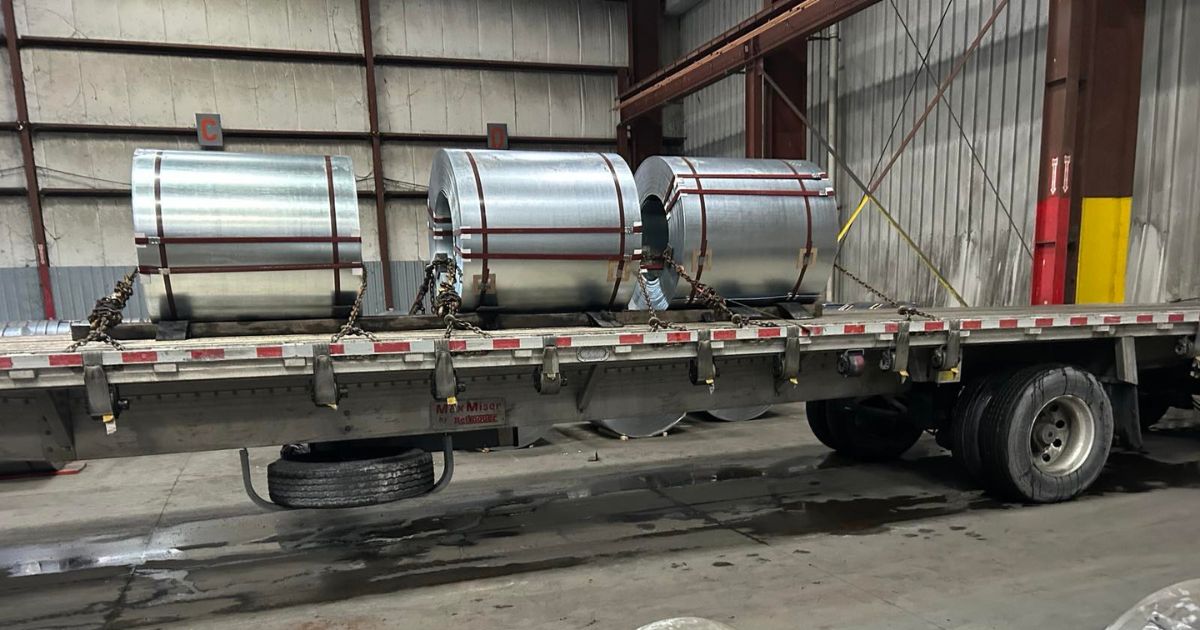
- Steel products
- Lumber and building materials
- Heavy machinery
- Construction equipment
- Concrete products
- Wind and solar energy components
Many industry experts expect flatbed demand to remain strong as infrastructure spending continues over the next several years.
Driver Shortage Remains a Major Challenge
Like many sectors of the trucking industry, flatbed carriers continue to face a shortage of qualified drivers. Flatbed trucking requires additional skills, including cargo securement, tarping, and handling specialized freight.
As a result, many trucking companies are offering:
- Higher pay packages
- Performance bonuses
- Sign-on incentives
- Flexible home time
- Paid securement and tarping compensation
Experienced flatbed drivers are often earning higher wages than drivers in some other freight sectors due to the specialized nature of the work.
Increased Focus on Safety and Compliance
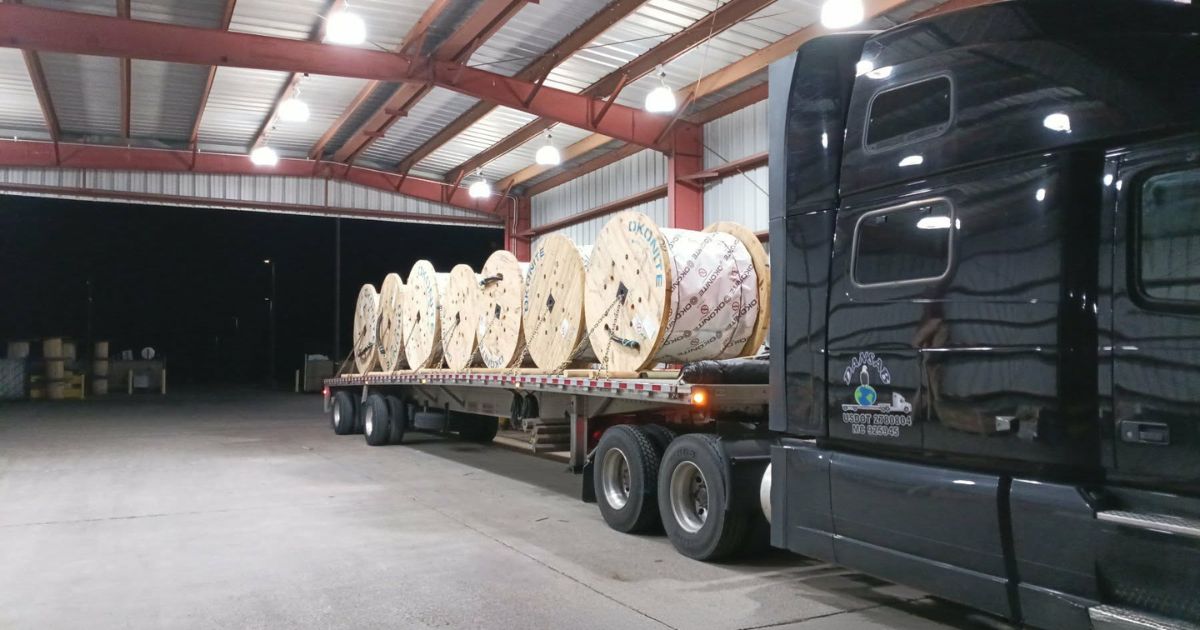
Safety remains a top priority for flatbed trucking companies. Cargo securement regulations are becoming increasingly important as enforcement agencies continue roadside inspections and compliance reviews.
Carriers are investing in:
- Advanced securement equipment
- Driver training programs
- Electronic logging systems
- Safety monitoring technologies
- Fleet management software
Companies that maintain strong safety records often benefit from lower insurance costs and stronger relationships with shippers.
Technology is Transforming Flatbed Operations
Technology adoption is accelerating throughout the flatbed sector. Modern trucking companies are utilizing digital tools to improve efficiency and profitability.
Popular technologies include:
Real-Time Fleet Tracking
GPS tracking systems allow carriers and customers to monitor shipments throughout transit, improving communication and reducing delays.
Digital Freight Matching
Online freight marketplaces help flatbed carriers find loads more efficiently and reduce empty miles.
Predictive Maintenance
Advanced fleet management systems can identify maintenance issues before they become major problems, reducing downtime and repair costs.
Artificial Intelligence and Route Optimization
AI-powered software is helping fleets optimize routes, reduce fuel consumption, and improve delivery performance.
Renewable Energy Freight Creates New Opportunities
The renewable energy sector is becoming a significant source of flatbed freight. Wind turbine components, solar panels, battery storage systems, and related equipment often require specialized transportation solutions.
Many flatbed carriers are expanding their capabilities to handle:
- Wind tower sections
- Turbine blades
- Solar farm equipment
- Energy storage systems
- Electrical infrastructure materials
This segment is expected to grow substantially as clean energy projects expand across the United States.
Rising Equipment Costs Impact Fleet Expansion
Although freight opportunities remain strong, trucking companies are facing higher operating costs. New truck prices, trailer costs, maintenance expenses, and insurance premiums continue to increase.
Many fleets are carefully evaluating:
- Equipment replacement schedules
- Fuel efficiency improvements
- Driver retention strategies
- Operational efficiency programs
Companies that effectively manage costs while maintaining service quality are better positioned for long-term success.
Sustainability Becomes a Competitive Advantage
Environmental sustainability is becoming increasingly important to shippers and logistics providers. Flatbed carriers are exploring ways to reduce emissions and improve fuel efficiency.
Industry initiatives include:
- Modern fuel-efficient trucks
- Aerodynamic trailer improvements
- Idle reduction technologies
- Alternative fuel testing
- Carbon reporting programs
Large shippers are increasingly considering sustainability metrics when selecting transportation partners.
Flatbed Rates Show Signs of Stability
After several years of market fluctuations, many analysts report that flatbed freight rates are becoming more stable. Consistent demand from construction and manufacturing sectors has helped support pricing levels in many regions.
While economic conditions continue to influence freight markets, flatbed trucking has generally remained more resilient than some other freight segments due to its connection to essential industries and infrastructure projects.
Outlook for the Future
The outlook for flatbed trucking in the United States remains positive. Strong infrastructure investment, growth in renewable energy projects, and ongoing industrial development are expected to support freight demand throughout 2026 and beyond.
Carriers that invest in driver retention, technology, safety, and operational efficiency will likely be best positioned to capitalize on future opportunities. As the transportation industry continues to evolve, flatbed trucking remains one of the most critical and dynamic sectors in American freight transportation.
Conclusion
Flatbed trucking continues to be a cornerstone of the U.S. economy, transporting the materials and equipment needed to build and maintain the nation’s infrastructure. With strong freight demand, technological advancements, and emerging opportunities in renewable energy, the industry is entering a period of continued growth and transformation. Companies and drivers who adapt to changing market conditions will be well-positioned for success in the years ahead.
