
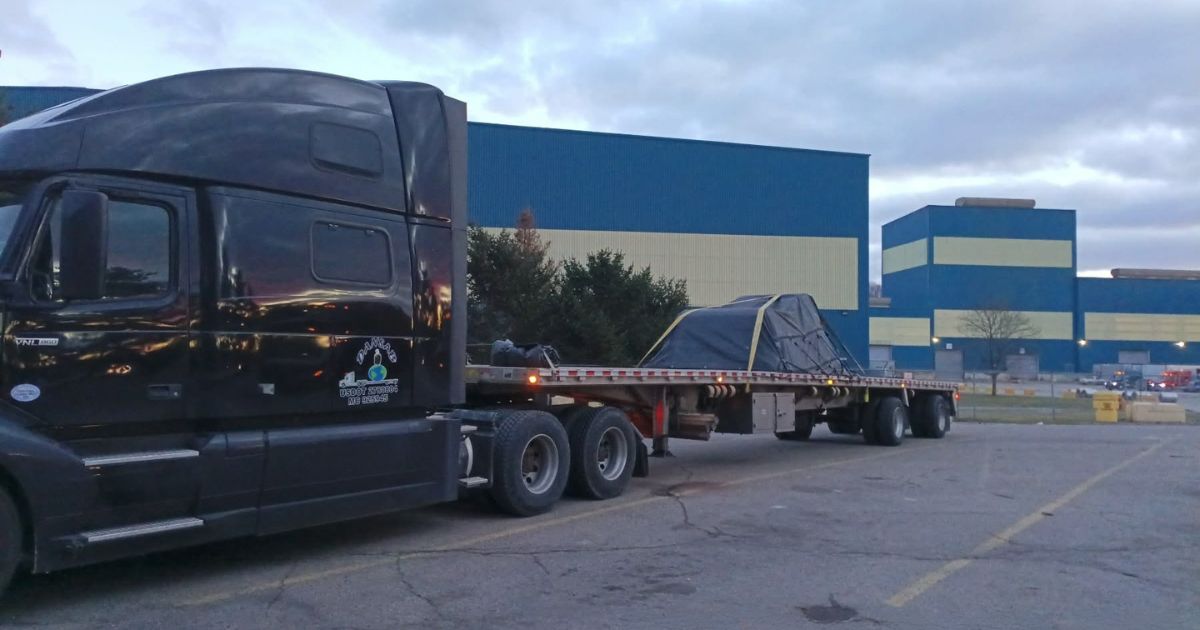
The trucking industry across the Midwest is entering a period of renewed growth, fueled by increasing freight demand, supply chain normalization, and expanding industrial activity. As one of the most critical logistics regions in the United States, the Midwest continues to play a central role in connecting producers, manufacturers, and consumers across the country.
Recent developments indicate that trucking companies operating across key Midwest states—including Illinois, Indiana, Ohio, Michigan, Wisconsin, and Missouri—are experiencing higher shipment volumes than in previous years. This growth is largely driven by a rebound in manufacturing output, strong agricultural performance, and the continued expansion of eCommerce and retail distribution networks.
The Midwest: A Strategic Logistics Hub
The Midwest has long been recognized as the backbone of the U.S. transportation and logistics network. Its central geographic location, extensive interstate highway system, and proximity to major population centers make it an ideal hub for freight movement.
Major corridors such as I-80, I-70, I-65, and I-55 facilitate the efficient transport of goods across the region and beyond. These routes connect critical cities like Chicago, Indianapolis, Detroit, St. Louis, and Cleveland, enabling businesses to move products quickly and reliably.
In addition to road infrastructure, the Midwest benefits from strong intermodal connections, including rail and inland ports. However, trucking remains the dominant mode of freight transportation due to its flexibility and ability to provide door-to-door delivery.
Rising Freight Demand Across Key Industries
One of the primary drivers behind the growth in Midwest trucking is the increasing demand across several major industries.
Manufacturing Expansion
Manufacturing continues to be a cornerstone of the Midwest economy. Automotive production in Michigan and Ohio, machinery manufacturing in Illinois, and steel production across the region all contribute to a steady flow of freight.
As factories ramp up production to meet both domestic and international demand, the need for reliable trucking services has grown significantly. Components, raw materials, and finished goods must be transported efficiently to avoid costly delays in production cycles.
Agricultural Shipments
The Midwest is also a leading agricultural region, producing corn, soybeans, dairy, and livestock at large scale. Seasonal harvests create spikes in freight demand, requiring trucking companies to adapt quickly to changing volumes.
Temperature-controlled transport and specialized equipment are often necessary to ensure product quality, especially for perishable goods. As global demand for agricultural exports increases, Midwest trucking plays a vital role in connecting farms to processing facilities and distribution centers.
Retail and eCommerce Growth
The continued rise of eCommerce has placed additional pressure on logistics networks across the Midwest. Distribution centers located in strategic areas rely heavily on trucking to manage last-mile and regional deliveries.
Retailers are increasingly focused on speed and reliability, with same-day and next-day delivery expectations becoming more common. This trend has pushed trucking companies to optimize routes, reduce transit times, and improve overall service efficiency.
Challenges Facing the Midwest Trucking Industry
Despite strong growth, the Midwest trucking sector faces several ongoing challenges that could impact its long-term stability.
Driver Shortage
One of the most pressing issues is the shortage of qualified truck drivers. Many experienced drivers are nearing retirement, while fewer new drivers are entering the workforce. This imbalance has created increased competition among companies to attract and retain talent.
To address this issue, trucking companies are offering higher wages, improved benefits, and better working conditions. Training programs and partnerships with driving schools are also being expanded to encourage new entrants into the industry.
Fuel Costs and Operational Expenses
Fluctuating fuel prices remain a significant concern for trucking companies. Fuel is one of the largest operational expenses, and sudden increases can impact profitability and pricing structures.
In response, many companies are investing in fuel-efficient vehicles, alternative energy solutions, and route optimization technologies to minimize costs and reduce environmental impact.
Weather and Infrastructure Conditions
The Midwest is known for its challenging weather conditions, including harsh winters, heavy snowfall, and severe storms. These factors can disrupt transportation schedules and increase the risk of delays.
Additionally, aging infrastructure in certain areas requires ongoing maintenance and investment. Road conditions, construction zones, and traffic congestion can all affect delivery timelines and operational efficiency.
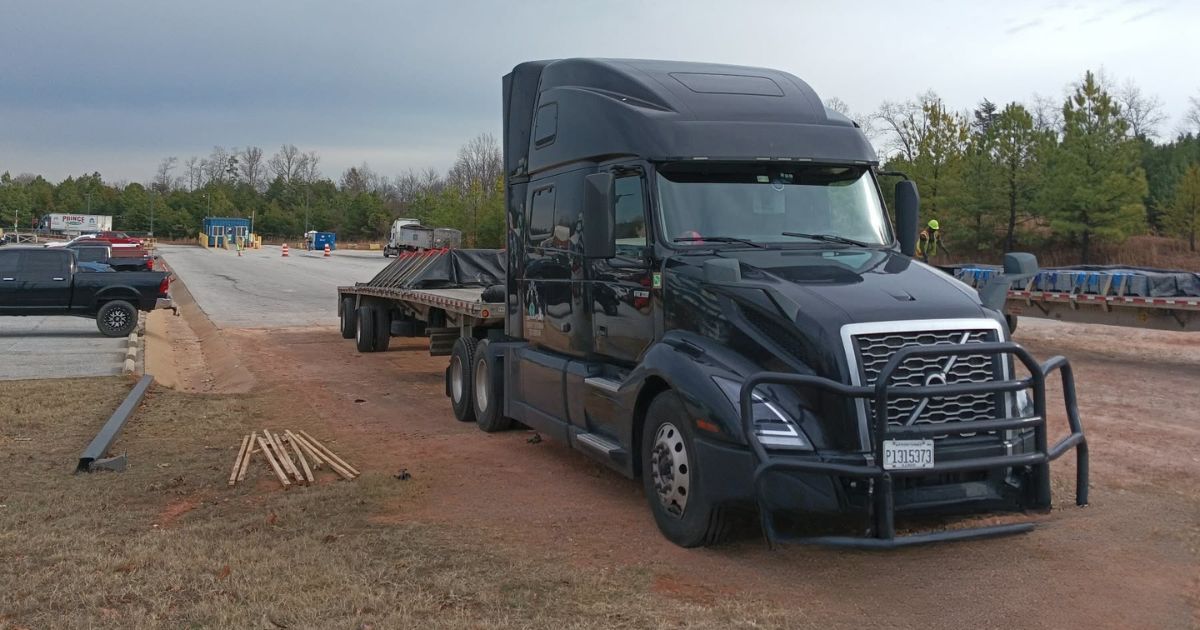
Technology Driving Transformation in Trucking
Technology is playing an increasingly important role in shaping the future of trucking across the Midwest. Companies are adopting innovative solutions to improve efficiency, reduce costs, and enhance customer experience.
Real-Time Tracking and Visibility
Advanced tracking systems allow businesses to monitor shipments in real time, providing greater transparency and control over logistics operations. Customers can receive updates on delivery status, estimated arrival times, and potential delays.
Automation and Digital Logistics Platforms
Digital freight platforms and automated dispatch systems are streamlining operations for carriers and shippers alike. These tools help match loads with available capacity, reduce empty miles, and improve overall network efficiency.
Data-Driven Decision Making
Data analytics is enabling trucking companies to make smarter decisions regarding route planning, fuel usage, and maintenance schedules. By leveraging data, businesses can identify trends, anticipate challenges, and optimize performance.
The Importance of Reliable Trucking Partnerships
For businesses operating in the Midwest, choosing the right trucking partner is essential. Reliable carriers not only ensure timely deliveries but also help companies navigate the complexities of regional logistics.
Experienced trucking providers understand the unique challenges of the Midwest, from weather patterns to regulatory requirements. They offer flexible solutions tailored to specific industries and shipping needs.
Building strong partnerships with trusted carriers can lead to improved efficiency, reduced costs, and greater overall supply chain resilience.
Outlook for the Midwest Trucking Industry
Looking ahead, the future of trucking across the Midwest appears strong. Continued economic growth, infrastructure investments, and technological advancements are expected to support ongoing expansion in the sector.
Government initiatives aimed at improving transportation infrastructure and promoting workforce development could further strengthen the industry. At the same time, sustainability efforts and the adoption of cleaner technologies are likely to shape the next phase of growth.
As demand for freight transportation continues to rise, Midwest trucking will remain a critical component of the national supply chain. Companies that adapt to changing conditions and embrace innovation will be well-positioned to succeed in this evolving landscape.
Conclusion
The Midwest trucking industry is undergoing a period of significant transformation and growth. With rising demand across manufacturing, agriculture, and retail sectors, the need for reliable and efficient freight transportation has never been greater.
While challenges such as driver shortages and fuel costs persist, ongoing investments in technology and infrastructure are helping to address these issues. As a result, the industry is becoming more resilient, efficient, and capable of meeting the demands of a rapidly changing economy.
For businesses relying on logistics across the Midwest, staying informed about industry trends and partnering with experienced carriers will be key to maintaining a competitive edge. As the region continues to serve as a vital logistics hub, trucking will remain at the heart of its economic success.
